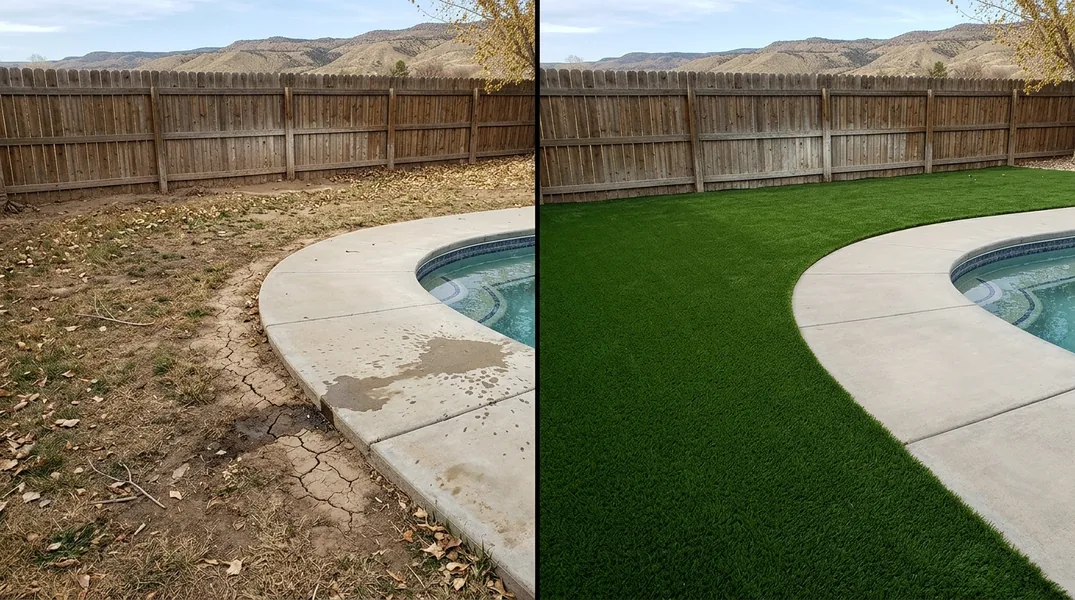
Understanding HOA Rules for Artificial Grass in Grand Junction
If you own a home in a homeowners association community in Grand Junction, you've likely wondered whether artificial grass is permitted in your front yard. The short answer is that it depends entirely on your specific HOA's governing documents and architectural guidelines. Many HOAs across Colorado have traditionally restricted landscape modifications, but attitudes toward artificial turf are evolving as homeowners seek sustainable, low-maintenance alternatives to natural grass.
HOAs exist to maintain property values and community aesthetics. However, what constitutes an acceptable front yard has changed dramatically over the past decade. Where artificial grass was once viewed as a cosmetic downgrade, it's now recognized as a practical, environmentally responsible choice. That said, your HOA board may still have concerns about quality, appearance, and whether the installation meets their standards. Understanding your community's specific rules is the first step toward getting approval for Residential Artificial Grass Installation in your front yard.
HOA Turf Rules in Colorado: What Grand Valley Communities Typically Require
Colorado HOA turf rules vary significantly from community to community, but there are common threads that run through most Grand Valley architectural guidelines. Most HOAs require that any landscape modification, including artificial grass installation, receive written approval before work begins. This isn't just a formality; it's a legal requirement in many cases, and violating it could result in fines or a requirement to remove the installation at your own expense.
Typical HOA requirements for artificial grass include specifications about pile height, color, backing material, and overall appearance. Many boards want assurance that the turf will look natural and won't fade prematurely or develop a plastic appearance over time. Some HOAs also require that you use a fully insured contractor for installation, which protects both the homeowner and the community. Additionally, several Palisade and nearby communities have begun requiring drainage specifications to ensure that artificial grass installations don't create runoff issues or water pooling problems. Understanding these specific requirements before you submit your application will significantly improve your chances of approval.
The Front Yard Artificial Grass Submittal and Approval Process
The submittal process for front yard artificial grass typically begins with a request to your HOA's architectural control committee or board. Most communities require you to submit detailed plans that include the location of the installation, dimensions, product specifications, and often photographs or samples of the artificial turf you plan to use. Some HOAs may also ask for a site plan showing how the installation relates to existing landscaping, sidewalks, and neighboring properties.
When preparing your submittal, include high-quality photos or samples of the specific artificial grass product you've selected. This gives the review committee a clear understanding of what your front yard will look like after installation. Many HOAs appreciate when homeowners provide technical specifications from the manufacturer, including information about UV resistance, drainage capabilities, and durability. If you're working with a professional installer like Grand Junction Artificial Grass Installation, they can often assist with preparing these materials and ensuring your submittal meets all HOA requirements. The approval timeline typically ranges from two to four weeks, though some communities may take longer during busy seasons.
Common HOA Objections and How to Address Them
Several objections commonly arise when homeowners propose artificial grass installations in HOA communities. The most frequent concern is that artificial turf looks unnatural or cheap, which can detract from neighborhood aesthetics. To counter this, provide samples and photos of high-end artificial grass products that closely mimic natural lawn appearance. Modern turf technology has advanced tremendously, and premium products are virtually indistinguishable from real grass at normal viewing distances.
Another common objection involves drainage and environmental concerns. Some HOA boards worry that artificial grass won't allow proper water infiltration or that it will contribute to runoff problems. Address this by specifying that your installation will include proper drainage systems, such as permeable backing or subsurface drainage layers. If your HOA is particularly concerned about environmental impact, highlight the water conservation benefits of artificial grass, especially important in the semi-arid climate of Clifton and the broader Grand Valley region. Some boards also raise concerns about heat retention or safety, which can be addressed with technical data from the manufacturer showing that modern artificial grass meets all industry safety standards and performs well in Colorado's climate conditions.
Working with Your HOA: Best Practices for Approval
Successfully navigating the HOA approval process requires professionalism, preparation, and clear communication. Start by reviewing your HOA's architectural guidelines thoroughly before preparing your submittal. If you can't find specific language about artificial grass, contact your board directly to ask whether it's permitted and what documentation they'll need. This preliminary conversation often prevents misunderstandings and gives you a roadmap for your formal application.
When submitting your application, be thorough and professional. Include a cover letter explaining your reasons for choosing artificial grass, emphasizing benefits like water conservation, low maintenance, and improved curb appeal. Provide multiple samples or high-resolution photos of the product, ideally showing similar installations in other neighborhoods. If possible, include testimonials or references from other homeowners who have successfully installed artificial grass. Consider attending the next HOA meeting to present your proposal in person; many board members are more receptive when they can discuss concerns directly with the homeowner. If your initial application is denied, ask for specific feedback about what the board wants to see changed, then resubmit with those modifications addressed.
Getting Professional Help: Contractors Who Understand HOA Requirements
One of the smartest moves you can make is partnering with a local contractor who has experience working with HOA communities in Grand Junction. Professional installers familiar with regional HOA requirements can guide you through the approval process, prepare documentation that satisfies board concerns, and ensure your installation meets all community standards. They understand which products work best in Colorado's climate and which installation methods will pass HOA inspection.
Grand Junction Artificial Grass Installation has worked with numerous HOA communities throughout the Grand Valley and can help streamline your approval process. Whether you're considering Residential Artificial Grass Installation or exploring other options, a professional team can answer your questions about compliance, product quality, and installation timelines. Ready to move forward with your front yard transformation? Contact Grand Junction Artificial Grass Installation today at (970) 438-2585 to discuss your HOA situation and get a free estimate that you can include in your submittal package.
Looking for a professional artificial grass installation company in Grand Junction? Grand Junction Artificial Grass Installation responds fast for all your artificial grass installation needs.
Get a Free Quote