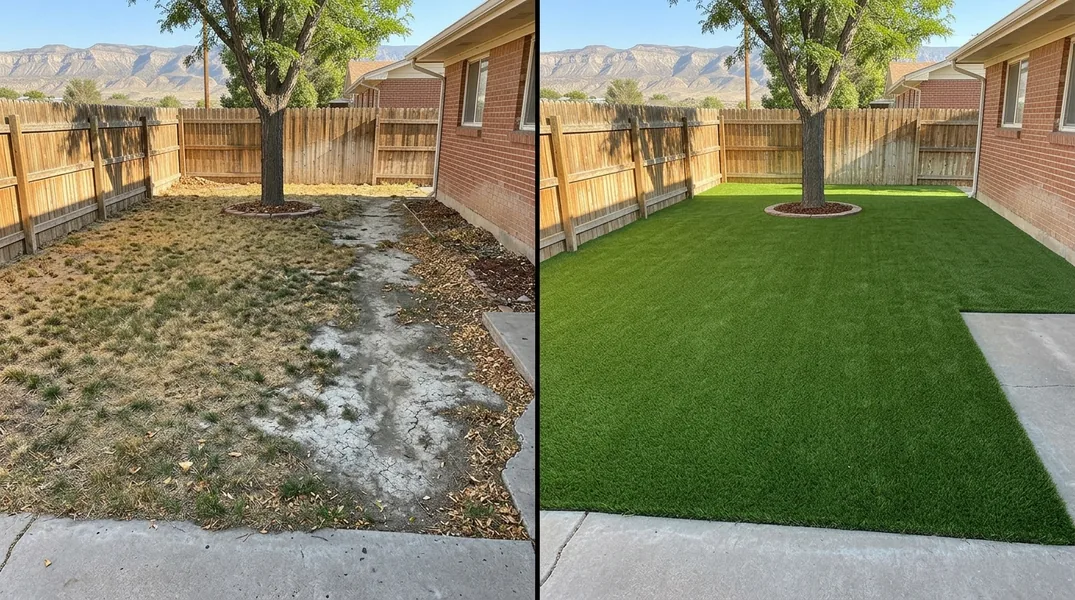
What Makes a Backyard Putting Green Different from Regular Artificial Grass
A backyard putting green is not simply a patch of artificial turf cut short and rolled out in your yard. It requires a specialized approach that goes far beyond standard Residential Artificial Grass Installation. The key difference lies in the turf specifications, subsurface construction, and the overall engineering designed to replicate the feel and roll of a real golf course green.
When you walk on a championship putting green at a golf course, you are experiencing years of careful maintenance, precise grading, and specialized turf varieties bred specifically for putting surfaces. A quality backyard putting green mimics these characteristics through high-end artificial turf designed with lower pile heights, tighter weaves, and consistent ball roll. The subsurface typically includes a layered base system with proper drainage, compacted materials, and sometimes sand infill to achieve the exact firmness and speed that makes a putting surface feel authentic.
In Grand Junction, where the climate is dry and the terrain can present drainage challenges, the subsurface preparation becomes even more critical. Without proper engineering, water can pool, the turf can shift, and your putting surface will become uneven and unusable within a season or two.
Understanding True Roll and Ball Speed in Putting Green Turf
True roll is the golf industry term that describes how consistently a golf ball travels across a putting surface. A green with true roll allows the ball to move in a predictable, smooth path without unexpected bounces, divots, or irregular breaks. This is what separates a professional putting green from a backyard experiment gone wrong. True roll depends on three main factors: the quality of the turf itself, the uniformity of the subsurface, and the precision of the installation.
The putting green turf you select must have a consistent pile height and density throughout. Premium artificial putting green materials are manufactured to tolerances measured in fractions of an inch. When you putt a ball on a surface with true roll, the ball should travel at a predictable speed and break only according to the intentional slope you have designed into the green. Any deviation from this consistency will cause the ball to veer, slow unexpectedly, or bounce. This is why choosing the right turf product and ensuring expert installation is so important.
Ball speed is directly tied to the firmness of the subsurface and the texture of the turf. Faster greens require a firmer base and tighter turf weaves, while slower greens allow for slightly more give in the subsurface. Most homeowners prefer a medium-speed green that feels responsive but forgiving. When you work with a professional Putting Green Installation team, they will help you select the right turf specifications and build the subsurface to achieve the ball speed you want.
Designing Your Backyard Putting Green: Layout, Slope, and Hazards
The design phase of your backyard putting green is where creativity meets engineering. Before any turf is installed, you need to decide on the shape, size, and complexity of your green. Many homeowners start with a modest design, perhaps a 400 to 600 square foot green with one or two distinct slopes. This size is large enough to practice a variety of putts from 4 to 30 feet but manageable enough to fit in most residential yards without overwhelming the landscape.
Slope and contouring are the soul of putting green design. A completely flat green is boring and unrealistic. Instead, professional designers typically incorporate gentle slopes, subtle humps, and subtle valleys that create different break lines and challenge levels. The slope should never be so steep that balls roll off the green or become unplayable, but it should be enough to make you think about your line and speed. Most quality greens incorporate slopes in the range of 1 to 3 percent grade, which translates to about 1 to 3 feet of elevation change across a 100-foot distance.
Many homeowners also choose to add hazards such as sand bunkers, water features, or rough areas around the green. These elements add visual interest and mimic the design of real golf holes. A small sand bunker can be constructed adjacent to the green, and decorative water features or native plantings can frame the space beautifully. However, keep in mind that every added feature increases both the complexity of the design and the overall pricing of the project.
Backyard Putting Green Cost in Grand Junction: What to Budget
The cost of a backyard putting green varies significantly based on size, complexity, turf quality, and subsurface requirements. A small, simple green of around 300 to 400 square feet with minimal contouring might range from $8,000 to $12,000 installed. A medium-sized green of 500 to 800 square feet with moderate slope and some hazard work could cost between $15,000 and $25,000. Larger, more elaborate greens with complex contouring, multiple slope zones, and premium turf materials can easily exceed $30,000 to $40,000 or more.
The turf itself is one of the largest cost drivers. Premium putting green turf can cost two to three times more per square foot than standard residential artificial grass. The subsurface preparation, including excavation, base materials, drainage systems, and leveling, typically accounts for 30 to 40 percent of the total project cost. In Grand Junction, site conditions and soil composition can affect these costs. If your yard has poor drainage or uneven terrain, additional grading and drainage work may be necessary, which will increase your investment.
Labor is another significant factor. Installing a putting green is a specialized skill that requires experience and precision. A qualified installation team in Grand Junction will spend several days on your project, carefully building the subsurface, installing the turf, and testing the roll and drainage. It is not a job for a general contractor or a DIY weekend project. When you request a free estimate from Grand Junction Artificial Grass Installation at (970) 438-2585, the team will evaluate your specific site conditions, discuss your design preferences, and provide a detailed quote tailored to your needs.
Site Preparation and Subsurface Construction for True Roll
Before a single piece of turf is laid, the subsurface must be engineered correctly. This process begins with site assessment and excavation. The installation team will remove existing vegetation, rocks, and debris, then evaluate the soil composition and drainage characteristics. Depending on your yard's natural grade, they may need to add or remove soil to achieve the desired slope and elevation for your green.
The subsurface typically consists of multiple layers. The base layer is usually a compacted aggregate material such as crushed limestone or recycled asphalt, which provides stability and drainage. Above this, a secondary layer of finer material helps create a uniform surface. Some installation teams use a sand layer as the final subsurface before the turf is applied. This sand layer can be amended with polymers or other materials to achieve specific firmness and drainage characteristics. Proper compaction of each layer is essential to prevent settling, which would create low spots and ruin your true roll.
Drainage is critical in Grand Junction, where afternoon thunderstorms can dump significant water in short periods. A well-designed putting green includes a perimeter drainage system that channels water away from the green and into your yard's existing drainage or a dedicated dry well. Without proper drainage, water will pool, the turf will become waterlogged, and your green will develop soft spots that affect ball roll and can damage the subsurface materials.
Maintenance and Long-Term Care of Your Artificial Putting Green
One of the major advantages of an artificial putting green is that it requires far less maintenance than a natural grass green. You will not need to mow, fertilize, or deal with weeds and disease. However, this does not mean zero maintenance. To keep your green performing at its best and maintaining true roll, you need to commit to regular upkeep.
Weekly maintenance involves brushing the turf with a soft-bristled broom to restore the pile and remove any debris. This simple step keeps the surface consistent and prevents matting. Depending on your climate and usage, you may need to brush more or less frequently. Monthly, you should inspect the green for any signs of settling, pooling, or damage. If you notice low spots where water collects or areas where the turf is compressing unevenly, address these issues promptly to prevent them from worsening.
Seasonal care includes more thorough cleaning and inspection. In spring, after winter weather, check for any frost heave or shifting. In fall, clear leaves and debris regularly. If you have installed sand infill or polymer infill as part of your subsurface, you may occasionally need to add small amounts to maintain the firmness and ball speed. Most artificial putting greens built with quality materials and proper installation will provide 15 to 20 years of reliable performance with minimal maintenance. For specific guidance on caring for your green after installation, your installer should provide detailed maintenance instructions tailored to your particular design and materials.
Looking for a professional artificial grass installation company in Grand Junction? Grand Junction Artificial Grass Installation responds fast for all your artificial grass installation needs.
Get a Free Quote