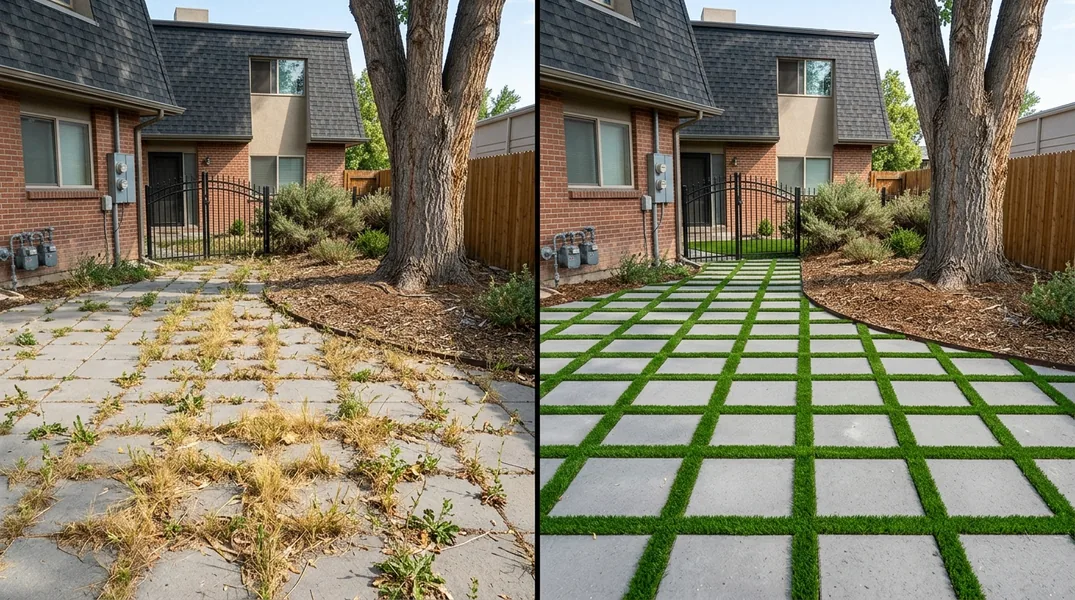
Understanding Common Artificial Grass Damage in Grand Junction
Artificial grass has transformed outdoor living across Grand Junction, offering homeowners a low-maintenance alternative to natural lawns. However, like any outdoor surface, synthetic turf can develop issues over time. Whether you've invested in Residential Artificial Grass Installation or have had your lawn for several years, understanding common damage patterns helps you address problems quickly and affordably.
The most frequent issues we see fall into three categories: physical damage like lifted edges and separated seams, heat-related problems such as melted artificial grass, and reflection damage from windows or metallic surfaces. Each type requires a different repair approach, and knowing which you're dealing with is the first step toward restoration. Many homeowners are surprised to learn that some damage is preventable with proper maintenance and awareness of environmental factors unique to our region.
Melted Artificial Grass: Causes and Prevention
One of the most troubling issues homeowners face is melted artificial grass. Unlike lifted edges or seam separation, melting is often permanent and requires section replacement rather than simple repair. The primary culprit is concentrated heat reflection from windows, glass doors, skylights, or even polished metal surfaces. When sunlight bounces off these reflective materials directly onto your turf, it concentrates heat far beyond normal ambient temperatures. In Grand Junction, where we enjoy abundant sunshine and many homes feature large windows or glass features, this is a genuine concern.
The synthetic fibers in artificial grass have a melting point, typically between 160 and 200 degrees Fahrenheit depending on the material quality. Reflected heat can easily exceed this threshold. Prevention is far more effective than repair, so if you notice sunlight reflecting onto your lawn from a window or glass feature, consider installing an external shade screen, adjusting window treatments, or applying a reflective film to the glass. If melting has already occurred, the damaged section will need to be carefully cut out and patched with matching turf, which is why professional turf repair near me services become necessary.
Window Reflection Turf Damage: Recognition and Solutions
Window reflection turf damage is distinct from general melting because it creates a specific, localized pattern. You'll typically notice a concentrated area of discoloration, brittleness, or actual melting that corresponds directly to the angle and position of a reflective surface. Large picture windows, particularly those facing south or west, are common offenders. The damage pattern often appears as a defined rectangle or triangular zone on your lawn, making it easy to trace back to the source.
If you suspect window reflection is damaging your turf, the first step is to observe the area during peak sun hours. Watch where light bounces and for how long the reflection hits your lawn. Once you've identified the problem, you have several options. Installing exterior roller shades, applying a UV-reflective film to the window, or positioning a strategic landscape feature to block the reflection can all help. For existing damage, professional assessment is important because the extent of harm determines whether patching will work or if you need a full section replacement. Contact us at (970) 438-2585 to discuss your specific situation.
Lifted Edges and Seam Separation: Identifying and Repairing
Lifted edges and separated seams are among the most common issues we address through turf repair work. Lifted edges typically occur along the perimeter of your lawn where the turf meets hardscape, fencing, or garden beds. This happens when the adhesive or fasteners securing the edge gradually weaken due to foot traffic, temperature fluctuations, or improper initial installation. In our climate, freeze-thaw cycles can accelerate edge lifting by causing the ground to shift slightly, putting stress on the perimeter fasteners.
Seam separation is equally problematic. When two pieces of artificial grass are joined, the seam must be properly sealed with adhesive and often reinforced with backing tape. Over time, this seam can separate due to ground movement, heavy traffic, or if the original installation wasn't executed correctly. You might notice grass blades peeling back from the seam line or a visible gap between sections. Small separations can sometimes be re-glued by a professional, but if the seam has been compromised for an extended period, the backing may have degraded and replacement becomes necessary.
The good news is that both lifted edges and seam issues are highly repairable when caught early. Regular inspection of your turf's perimeter and seam lines allows you to spot problems before they become severe. If you notice either issue, prompt professional attention prevents the damage from spreading and keeps repair costs manageable.
Professional Turf Repair Near Me: When DIY Isn't Enough
While some minor maintenance tasks are homeowner-friendly, significant turf repair should be handled by professionals. Attempting to re-glue seams, patch melted sections, or re-secure lifted edges without proper equipment and expertise often results in subpar results that don't last. Professional installers have access to matching turf materials, specialized adhesives designed for our climate, and the experience to execute repairs that blend seamlessly with existing lawn.
Grand Junction Artificial Grass Installation specializes in addressing all these damage types. Our team understands the specific environmental challenges facing turf in our region, from intense UV exposure to temperature swings and occasional heavy foot traffic. When you need artificial turf repair near me, we can typically schedule a same-week appointment. We'll assess the damage, explain your repair options, and provide transparent pricing before any work begins.
Maintaining Your Turf to Prevent Future Damage
Prevention is always more cost-effective than repair. Regular maintenance significantly extends your artificial grass lifespan and helps you avoid the issues discussed above. Brush your turf weekly in one direction to keep fibers upright and prevent matting. Remove debris promptly, as leaves and twigs can trap moisture and promote mold growth. During Pet Turf & Dog Run Installation areas or high-traffic zones, more frequent brushing is warranted.
Inspect your lawn's edges and seams monthly, especially after winter or heavy use periods. Look for signs of lifting, separation, or discoloration. Address minor issues immediately before they compound. Keep gutters and drainage systems clear so water flows properly and doesn't pool on your turf, which can weaken adhesives over time. If you have concerns about reflection damage, monitor the path of sunlight on your lawn during different times of day and seasons.
For homeowners with Pool Surround Turf or other specialized installations, maintenance becomes even more important due to increased moisture and chemical exposure. When in doubt, reach out to us at (970) 438-2585 for professional guidance tailored to your specific turf type and situation. We're here to help your investment look beautiful and perform well for years to come.
Looking for a professional artificial grass installation company in Grand Junction? Grand Junction Artificial Grass Installation responds fast for all your artificial grass installation needs.
Get a Free Quote